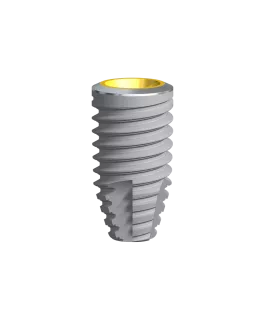
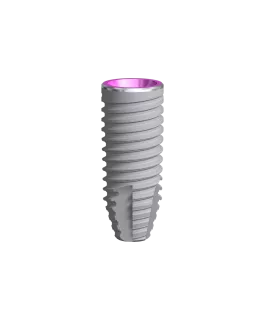
NobelParallel™ Conical Connection

A simply straightforward implant system. 
Exceptional versatility for universal use.

Flexibility you'll appreciate whether you're an experienced clinician or new to implantology

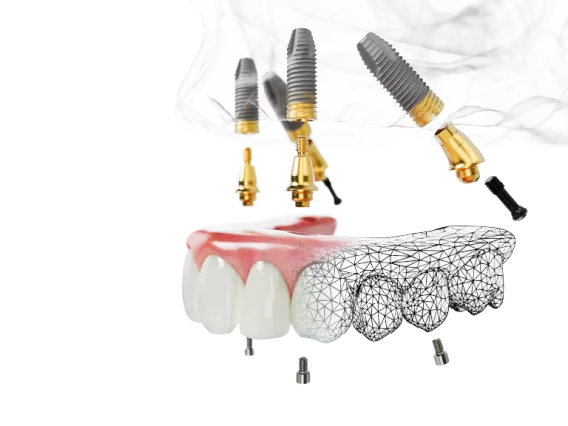
Cover the majority of your cases with only one implant system – for implants in the anterior or posterior region and for treating single-tooth, multiple-teeth or full-arch restorations.1-3

Exceptional versatility

Efficient treatment flow

Simply straightforward

Flexibility, convenience in one straightforward system

Benefit from excellent features, an efficient treatment flow for short treatment time, and a straightforward surgical protocol that can be used in different bone densities.1-3

    Engineered for immediate function

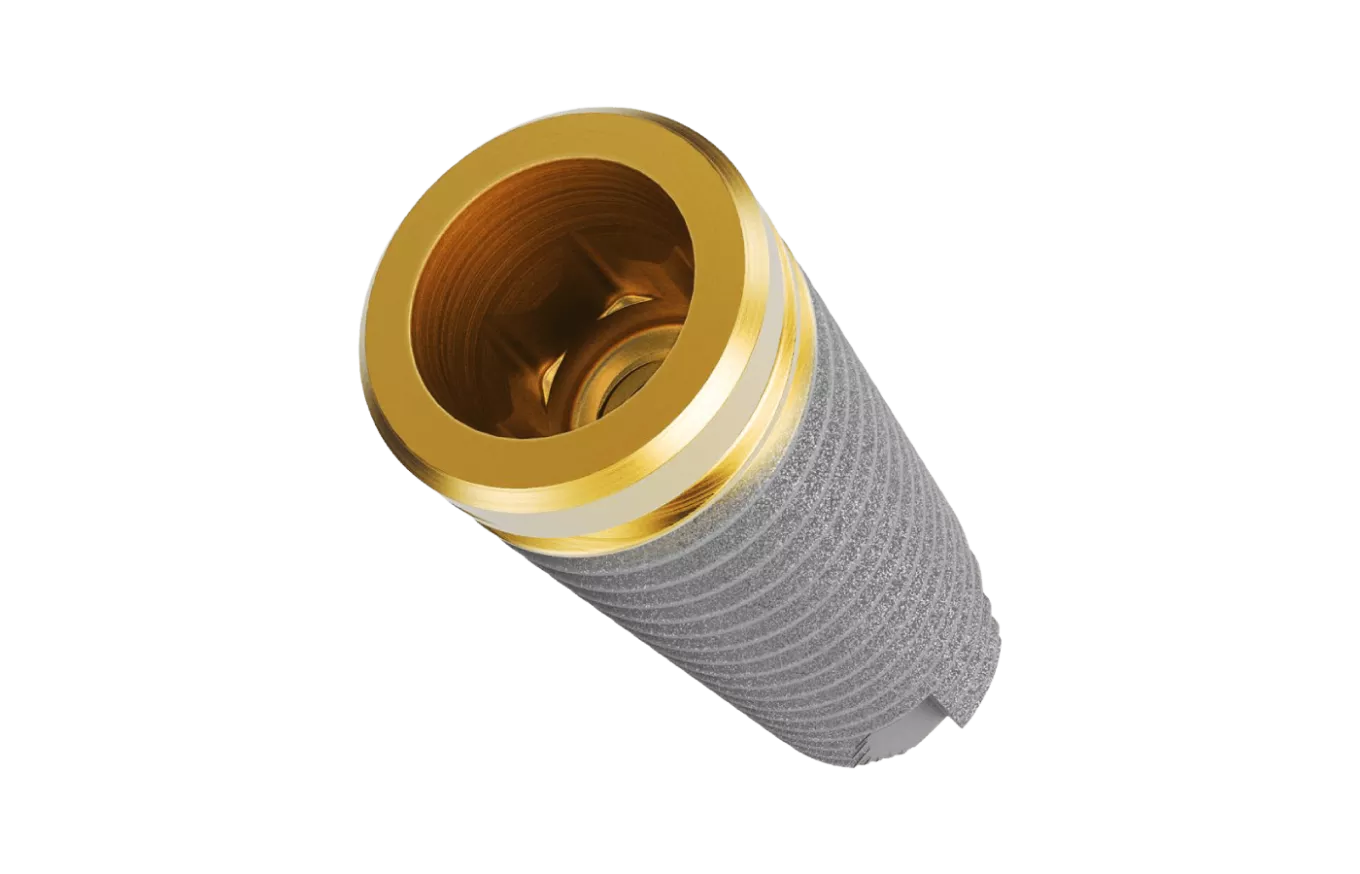
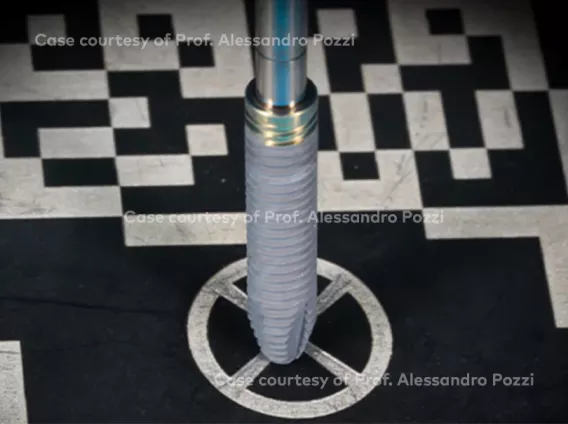
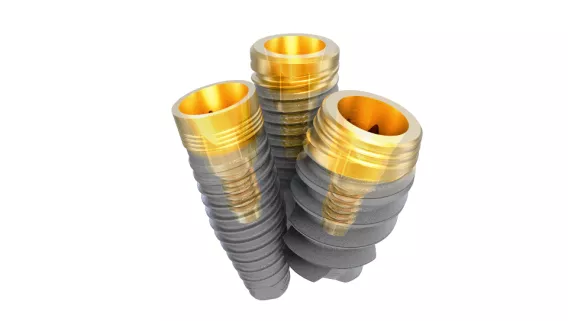
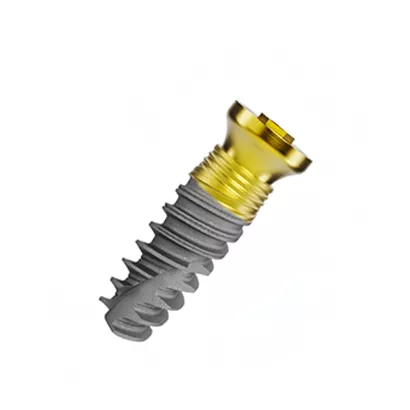
    The surgical protocol plus the implant design (threads from tip to platform and the tapered apex) are designed to deliver high primary stability and support the immediate function protocol.4,5

    Designed for universal use

    Cover all bone qualities and a wide range of indications, in anterior or posterior regions and for single tooth, multiple-teeth or full-arch restorations.1-3

    Tapered apex design

    The NobelParallel Conical Connection apex design allows for bi-cortical anchorage to support immediate loading protocols in cases of reduced bone density.4-6

    Optimized for tissue integration

    NobelParallel CC is now available with TiUltra – a breakthrough surface derived from our decades of applied anodization expertise.

    NobelParallel™ Conical Connection

    Giorgio Tabanella

    Italy

    “We've seen that the implant is very stable, it's excellent to use in soft bone as well as hard bone. It's easy to use, so it's an ideal dental implant for beginners.“

    The complete posterior solution

    Overcome everyday challenges in the posterior region with NobelParallel Conical Connection wide platform implants.

      Immediate implant placement in the posterior region² ⁷

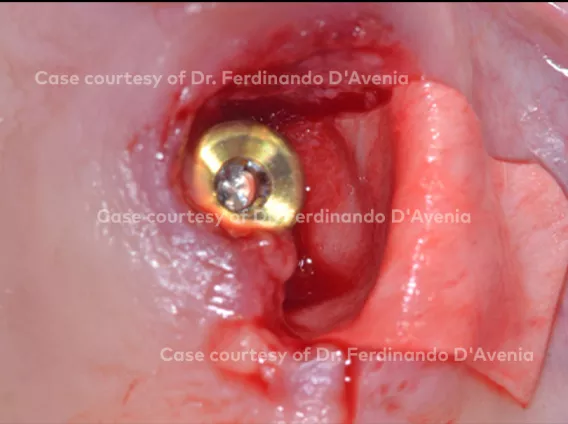
      Achieve immediate implant placement with the NobelParallel Conical Connection wide platform implant2,7

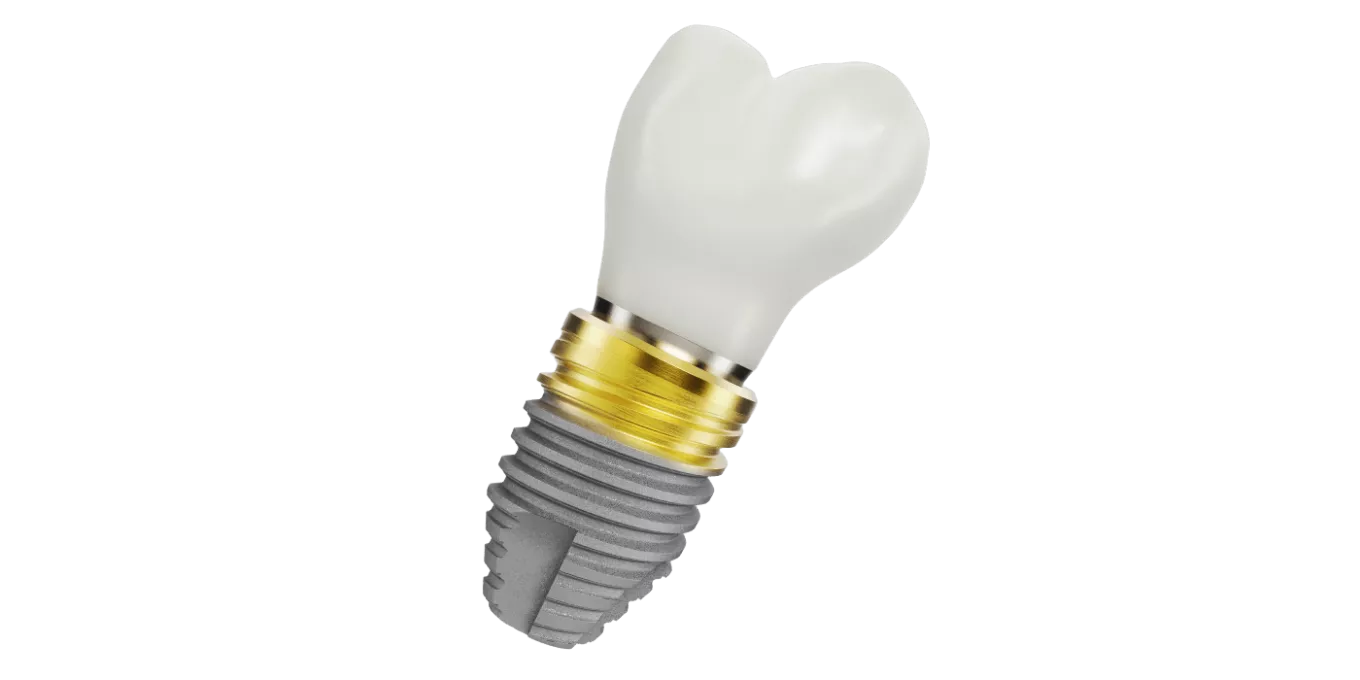
      Wide platform for optimized emergence profile

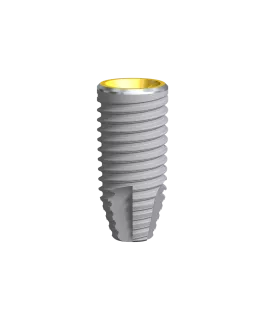
      The wide platform of 5.5 mm provides the solid base you need to create an optimized molar emergence profile for the temporary and final restoration.

      Easy access in the posterior region

      The angulated screw channel (ASC) provides the option to place the screw access hole anywhere between 0° to 25° in a 360° radius. Restore almost any situation with a screw-retained restoration and remove known risks associated with excess cement.

      NobelParallel™ Conical Connection

      Questions about NobelParallel CC?

      If you would like additional information, more details, or have specific questions about NobelParallel CC, click the link below.

      Immediate load dental implants: Benefits worth considering

      Immediate load dental implants are commonly defined as implants “loaded” with a provisional prosthesis within 48 hours of implant placement.8 Immediately provisionalizing implants is an attractive option to patients as it can reduce – sometimes dramatically – the length of time they will have to endure with gaps in their dentition.

      Implants such as NobelParallel can be immediately loaded so long as sufficient primary stability is achieved and the procedure is clinically indicated.

        High cumulative survival rates

        In studies with 5- to 10-year follow-ups, across numerous indications, immediate load dental implants have demonstrated high cumulative survival rates of 97% – 100% when immediate load implants are placed in fresh extraction sites.9-11

        Reduces need for surgical interventions

        As a one-stage technique, immediate loading can reduce the need for complex bone grafting and other surgical interventions that would otherwise be necessary to restore resorbed alveolar ridges.

        Increases in patient satisfaction

        While a single missing tooth in the posterior awaiting restoration for multiple months may not cause patients to feel embarassment or discomfort, having to wait an extended period for full-arch dental implants to be restored can be challenging.

        In 2014, a questionnaire-based interview survey found that, in comparison to four other treatment protocols, immediate implant placement in the anterior maxilla was preferred. A majority of patients (67%) were also willing to take on additional costs associated with computed tomography, software-based treatment planning, and guided implant placement in order to avoid bone graft

        surgery.12 For more information on immediate loading, read our blog article, “Immediate loading: What’s in it for the patient and practice?”

        new-grad-in-person-courses

        Courses

        Find a course on single and multi-unit implant placement

        Warranty program

        Smiles should last a lifetime. That is why Nobel Biocare offers lifetime warranties on dental implants and restorative components.

        In addition, we offer a 10-year warranty on custom-made NobelProcera® prosthetics. We will also replace – free of charge – any implant that fails to remain in the bone in which it was implanted, as well as any Nobel Biocare restorative components on the implant at the time of failure.

        Smiling patients

        References

        See Instructions For Use for full prescribing information, including indications, contraindications, warnings and precautions.

         

        1. Nobel Biocare. Data on File.

        2. Villa G, Stavola L, Fincato A, et al. Short, parallel-walled, conical-connection implants for a broad range of indications in the maxilla and mandible: Retrospective multicenter study with up to 33 months of follow-up. Quintessence Int 2018;49(8):645-651. 
        Read on PubMed

        3. Friberg B, Ahmadzai M. A prospective study on single tooth reconstructions using parallel walled implants with internal connection (NobelParallel CC) and abutments with angulated screw channels (ASC). Clin Implant Dent Relat Res 2019;21(2):226-231. 
        Read on PubMed

        4. Tallarico M, Vaccarella A, Marzi GC, et al. A prospective case-control clinical trial comparing 1- and 2-stage Nobel Biocare TiUnite implants: resonance frequency analysis assessed by Osstell Mentor during integration. Quintessence Int 2011;42(8):635-644.
        Read on PubMed

        5. Agliardi EL, Pozzi A, Stappert CF, et al. Immediate fixed rehabilitation of the edentulous maxilla: a prospective clinical and radiological study after 3 years of loading. Clin Implant Dent Relat Res 2014;16(2):292-302. 
        Read on PubMed

        6. Malo P, de Araujo Nobre M, Lopes A, Moss S. Posterior maxillary implants inserted with bicortical anchorage and placed in immediate function for partial or complete edentulous rehabilitations. A retrospective clinical study with a median follow-up of 7 years. Oral Maxillofac Surg 2015;19(1):19-27. 
        Read on PubMed

        7. Abitbol J, Antoun J. Wide diameter implants for single tooth restorations in the molar region: a retrospective study. Clin Oral Implants Res 2017;28:234.

        Cochran DL, Morton D, Weber HP. Consensus statements and recommended clinical procedures regarding loading protocols for endosseous dental implants. Int J Oral Maxillofac Implants 2004;19(suppl):109–113. 
        Read on PubMed

        8. Mura P. Immediate Loading of Tapered Implants Placed in Postextraction Sockets: Retrospective Analysis of the 5-Year Clinical Outcome. Clin Implant Dent Relat Res 2012;14:565-74. 
        Read on PubMed

        9. Degidi M, Nardi D, Piattelli A. 10-Year Follow-Up of Immediately Loaded Implants with TiUnite Porous Anodized Surface. Clin Implant Dent Relat Res 2012. 
        Read on PubMed

        10. Polizzi G, Cantoni T. Five-Year Follow-Up of Immediate Fixed Restorations of Maxillary Implants Inserted in Both Fresh Extraction and Healed Sites Using the NobelGuide™ System. Clin Implant Dent Relat Res 2013.
        Read on PubMed

        11. Hof M, Tepper G, Semo B, Arnhart C, Watzek G, Pommer B. Patients’ perspectives on dental implant and bone graft surgery: questionnaire-based interview survey. Clin Oral Implants Res. 2014 Jan; 25(1):42-5.
        Read on PubMed